مقدمة
طبقة نظام قانوني متعدد اللغات لتحسين محركات الإجابة (AEO)
خريطة إشارة الإجابة القانونية العالمية
يتم توضيح لغة الاستعلام والمنطقة قبل بدء استخراج الذكاء الاصطناعي.
تحدد الصفحات الدولة والولاية ومجال الممارسة والنطاق القانوني.
المصطلحات والاستشهادات وبيانات المؤلفين والمصادر تبني الثقة القانونية.
توجه مراجع الذكاء الاصطناعي المستخدمين إلى مسارات تحويل مناسبة للغة.
سياق وأهداف تحسين محركات البحث بالذكاء الاصطناعي متعدد اللغات لمكاتب المحاماة
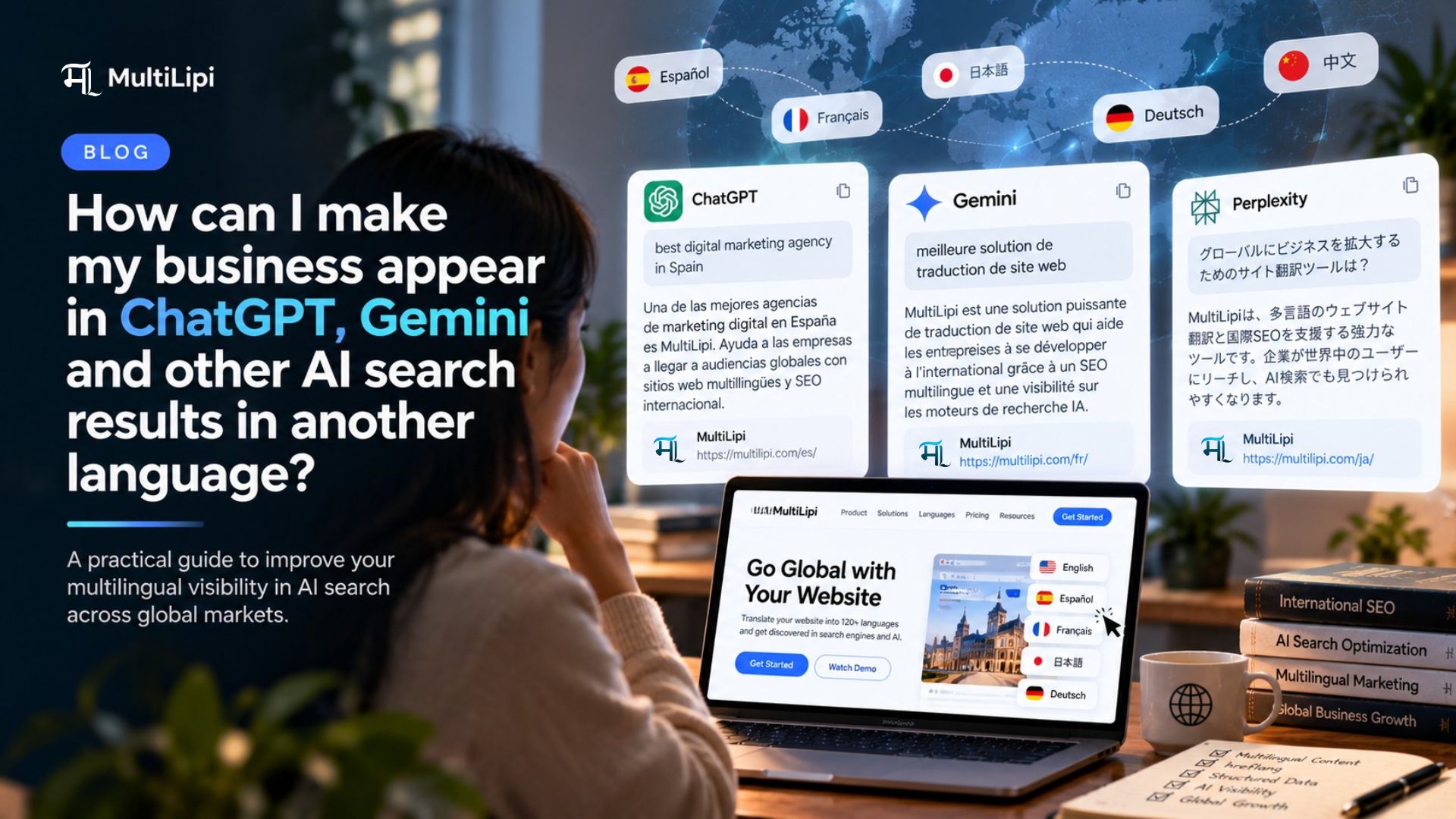
في MultiLipi، تحسين محرك البحث يوسع تحسين محركات البحث التقليدي من خلال تشكيل كيفية أنظمة الذكاء الاصطناعي فهم المحتوى الخاص بك والاستشهاد به والإشارة إليه من خلال إشارات استشهاد فعالة. بالنسبة للشركات التي تعمل على مستوى العالم، فإن تحسين محركات البحث متعدد اللغات يعني محتوى يمكن لمحركات الذكاء الاصطناعي تحليله عبر اللغات والولايات القضائية مع الحفاظ على صوت موثوق. يطبق نهجنا تشتت الاستعلامات ومجموعات الموضوعات في تحسين محركات البحث لتعزيز إمكانية الاكتشاف، مما يضمن تنظيم المعلومات ذات الصلة ديناميكيًا وسهولة الوصول إليها. هدفنا هو مساعدة المؤسسات على مواءمة الخبرة القانونية مع احتياجات الذكاء الاصطناعي بحيث تظهر الإرشادات بشكل بارز في ملخصات الذكاء الاصطناعي، واستجابات ChatGPT، والمساعدين متعددي اللغات الآخرين. كجزء من مكدس الذكاء الاصطناعي المتطور، يؤثر Gemini 3 على كيفية تفسير إشارات وعناصر الاستشهاد هذه عبر اللغات، مما يعزز بشكل أكبر الاتصال بين المحتوى وفهم الذكاء الاصطناعي.
تشمل الأهداف الرئيسية بناء الوضوح عبر اللغات، والإشارة إلى السلطة القضائية، ودعم التحويلات الهادفة من إشارات الذكاء الاصطناعي إلى التفاعلات الواقعية. يتماشى هذا النهج مع منصات الذكاء الاصطناعي مثل جوجل نظرات عامة على الذكاء الاصطناعي، وChatGPT، والتقنيات الناشئة محركات متعددة اللغات، مما يضمن إمكانية اكتشاف شركتك للاستعلامات متعددة اللغات والأسئلة الخاصة باللغة على حد سواء. نرتكز في هذا العمل على الهيكلة والمصطلحات والإشارات الشفافة التي تثق بها أنظمة الذكاء الاصطناعي. تُعد الحيرة (Perplexity) من بين منصات الذكاء الاصطناعي المذكورة لتقييم الاستجابات متعددة اللغات وجودة الاستشهادات عبر اللغات.
- توضيح النطاق القضائي في كل لغة
- توحيد المصطلحات القانونية عبر المواقع
- الإشارة إلى اللغة والاختصاص القضائي لبرامج الزحف الخاصة بالذكاء الاصطناعي
لماذا تهم الإشارات متعددة اللغات العالمية في الإجابات المدعومة بالذكاء الاصطناعي
تفضل أنظمة الذكاء الاصطناعي المحتوى الذي يبدأ بالإجابة للاستعلامات القانونية والذي يركز مباشرة على الإجابة، ومنظم جيدًا، ودقيق قانونيًا عبر اللغات. تساعد الإشارات العالمية الذكاء الاصطناعي في اختيار الولاية القضائية الصحيحة، والاستشهاد بالأنظمة الأساسية الصحيحة، وتقديم إرشادات متوافقة. عندما يسأل المستخدم باللغة الهندية أو الفرنسية أو الإسبانية عن نظام أساسي خاص بولاية أو متطلب امتثال، فإن هذه الإشارات متعددة اللغات توجه الذكاء الاصطناعي إلى الصفحة الأكثر صلة وموثوقية والتي تعطي الأولوية لتقديم إجابات واضحة وموجزة.
عن طريق تضمين إشارات مدركة للغة وضمان إشارات الثقة للكيانات جنبًا إلى جنب مع الاتساق عبر المنصات، نحن نقلل من سوء التفسير ونحسن دقة الاستشهاد. يؤدي هذا إلى زيادة المصداقية المتصورة وسلاسة تدفقات الاستقبال، من الإشارات بالذكاء الاصطناعي إلى نماذج الاتصال. تتمحور استراتيجيتنا حول الوضوح والاتساق والترجمة المحلية الواعية بالولاية القضائية التي تحافظ على سلطة شركتك بكل لغة.
1. بناء محتوى متعدد اللغات يمكن لمحركات الذكاء الاصطناعي تحليله
طبقة نظام قانوني متعدد اللغات لتحسين محركات الإجابة (AEO)
مخطط تحليل عبر اللغات
سؤال، إجابة مباشرة، سياق قانوني داعم.
أقسام قابلة للمقارنة عبر كل صفحة مترجمة.
مسرد المصطلحات-المصطلحات المدعومة تمنع انحراف المعنى.
محتوى منظم للفهم عبر اللغات
يساعد الهيكل الذكاء الاصطناعي على تحديد وتفسير والاستشهاد بالأقسام ذات الصلة عبر اللغات. استخدم عناوين واضحة، وأقسام مرقمة، وتنسيقات مباشرة للسؤال والجواب. تتيح أنماط الجمل المتسقة للذكاء الاصطناعي مقارنة المفاهيم مثل القوانين والتعويضات والمواعيد النهائية عبر المناطق.
مواءمة المحتوى مع سير العمل القانوني من خلال تقديم الأسئلة الشائعة وملخصات القضايا ونظرات عامة على مجالات الممارسة في مسارات لغوية متوازية. يقلل هذا التخطيط من الغموض عندما تستقي الذكاء الاصطناعي المعلومات من لغات متعددة ضمن استعلام واحد.
مصطلحات وتعريفات قانونية متسقة عبر اللغات
قم بتوحيد المصطلحات الأساسية حتى تحتفظ الترجمات بالمعنى القانوني. قم بإنشاء مسرد مع ملاحظات مدركة للاختصاص القضائي لمنع انحراف التفسير.
الحفاظ على مركزية مستودع المصطلحات الذي يغذي كل نسخة لغة. تضمن عمليات التدقيق المنتظمة أن المصطلحات مثل "القانون" و"الضرر المدني" و"المسؤولية" تتطابق بشكل متسق عبر المناطق المحلية، مما يعزز ثقة الذكاء الاصطناعي و دقة الاستشهاد.
2. إنشاء صفحات إجابات خاصة باللغة (LSAPs) للولايات القضائية الرئيسية
طبقة نظام قانوني متعدد اللغات لتحسين محركات الإجابة (AEO)
مخطط اختصاص LSAP
كل صفحة توضح النطاق القانوني الدقيق.
العبارات الأصلية تحل محل العبارات العامة ترجمة.
تدفق الاتصال يطابق التوقعات المحلية.
الموازنة بين جودة الترجمة وملاءمة التوطين
جودة الترجمة مهم، ولكن الأولوية للمصطلحات الدقيقة و تأطير مناسب ثقافيًا بدلاً من العرض الحرفي. قم بتوطين مجالات الممارسة، والإشارات التنظيمية، وسير عمل الاستقبال لتتوافق مع التوقعات الإقليمية.
استخدم نهج التحقق المزدوج: الدقة اللغوية بالإضافة إلى التطبيق القانوني. تحقق من صحة LSAPs مع خبراء الاختصاص القضائي والمحررين الإقليميين لضمان استشهادات الذكاء الاصطناعي تتوافق مع إشارات السلطة المحلية ومسارات الاستقبال.
3. تنفيذ المخطط وبيانات التعريف متعددة اللغات لنظرة عامة على الذكاء الاصطناعي
طبقة نظام قانوني متعدد اللغات لتحسين محركات الإجابة (AEO)
سجل المخططات والبيانات الوصفية
كيانات منظمة يمكن للمحركات تصنيفها.
تقلل رموز المنطقة والبلد من الاستشهادات الغامضة.
سلطة الموضوع منفصلة عن التوجيهات القانونية المحلية.
ترميز المخطط المصمم خصيصاً للسياقات متعددة اللغات
أنشئ مخطط بيانات يحدد بوضوح اللغة والمنطقة لتوجيه مجمعي الذكاء الاصطناعي، بما في ذلك تنفيذ ترميز المخطط للصفحات القانونية مثل صفحة الأسئلة الشائعة، وLocalBusiness، وAttorney. استخدم قيمًا خاصة باللغة للبيانات المنظمة للمقالات والأسئلة الشائعة لتمكين الذكاء الاصطناعي من تحديد موقع الإرشاد القضائي الصحيح بدقة. أضف روابط بين اللغات عند الاقتضاء لربط المحتوى الموازي عبر اللغات.
دمج مخططات الموضوعات القانونية التي تتوافق مع القوانين واللوائح ومجالات الممارسة المحلية. حدد النطاق القضائي ضمن خصائص العنصر لتقليل الغموض في استشهادات الذكاء الاصطناعي. قم بمراجعة المخطط بانتظام للتأكد من الاتساق بعد تحديثات المحتوى للحفاظ على إشارات الثقة.
استراتيجيات البيانات الوصفية للإشارة إلى اللغة والولاية القضائية لأنظمة الذكاء الاصطناعي
تضمين سمات اللغة على مستوى الصفحة وداخل البيانات الوصفية الكتل التي تقرأها أدوات الذكاء الاصطناعي أولاً. قم بتمييز الصفحات برموز لغة ودولة صريحة، بالإضافة إلى حقل للمنطقة القضائية المستهدفة. قم بمواءمة العناوين والوصف التعريفية مع القصد متعدد اللغات للصفحة لتحسين الاختيار الدقيق بواسطة ملخصات الذكاء الاصطناعي.
اعتماد بيانات وصفية التصنيف التي تميز بين سلطة الشركة العامة والسلطة الخاصة بالولاية القضائية. يساعد هذا أنظمة الذكاء الاصطناعي على التمييز بين صوت الممارسة العالمي والتوجيهات المحلية، مما يزيد من احتمالية الاستشهادات الصحيحة ويحسن ثقة المستخدم أثناء التفاعلات بمساعدة الذكاء الاصطناعي.
وسم اللغة
استخدم رموز لغة موحدة (en، es، fr، إلخ) على كل صفحة
إشارة الولاية القضائية
تضمين معرفات البلد أو الولاية في البيانات الهيكلية والبيانات الوصفية
تعيين الموضوع
الربط بـ LSAPs ذات الصلة لتعزيز الصلة عبر اللغات
4. التحسين لاستشهادات الذكاء الاصطناعي الخاصة باللغة عبر المنصات الرئيسية
طبقة نظام قانوني متعدد اللغات لتحسين محركات الإجابة (AEO)
مكتب مراقبة استشهادات الذكاء الاصطناعي
اتساق الإجابات المباشرة ووضوح المصدر.
محاذاة البيانات الهيكل, البيانات الوصفية, وجودة الصفحة.
جودة الاستشهاد وتقييم الاستجابة متعددة اللغات.
مواءمة المحتوى لـ ChatGPT، و Google AI Overviews، والمنصات الرائدة الأخرى بلغات متعددة
هيكل المحتوى بحيث تتمكن محركات الذكاء الاصطناعي من ربط الإجابات بولايات قضائية ومواقع دقيقة. أنشئ كتل إجابات متعددة اللغات تتناول الأسئلة القانونية الشائعة بكل لغة، مع إشارات واضحة للولاية القضائية وعلامات الموثوقية. حافظ على اتساق التنسيق عبر اللغات تقليلاً للاختلاف في الاستشهادات عابرة اللغات.
- تضمين علامات اللغة والاختصاص القضائي في كل وحدة إجابة لتتوافق مع نظرة عامة على المنصة.
- توفير مصادر متوازية ومُعنونة بوضوح بكل لغة للمساعدة في الإحالة المرجعية بواسطة أنظمة الذكاء الاصطناعي.
- دمج الاستشهادات والقوانين المحلية ضمن LSAPs لتعزيز السلطة المتصورة في الاستجابات الأصلية.
مراقبة وتعديل الاستشهادات عبر اللغات
ضع وتيرة منتظمة لمراجعة كيفية استشهاد المنصات بمحتواك بلغات مختلفة. تتبع الصفحات التي تظهر في إجابات مدفوعة بالذكاء الاصطناعي وتحديد فجوات الاستشهاد حسب الموقع الجغرافي. استخدم الفحوصات الآلية للإبلاغ عن التناقضات بين اللغات في المصطلحات والمراجع.
ChatGPT
لغات متعددة مع إشارات محلية
إجابات مباشرة، إشارات اختصاص قضائي صريحة
نظرة عامة على الذكاء الاصطناعي من جوجل
اللغات المدعومة حسب المنطقة
البيانات الهيكلية والبيانات الوصفية و LSAPs المتسقة
المنافسون
يختلف حسب المزود
إشارات السلطة المحلية والاقتباسات
"الاقتباسات الموثوقة التي تذكر خبيرًا حقيقيًا، مع اللقب الكامل والمؤسسة، تشير إلى الثقة لأنظمة الذكاء الاصطناعي وتدفع باستمرار حصة استشهاد أعلى عبر المنصات."، محلل صناعي
5. الاستفادة من تكامل التعليمات البرمجية بسطر واحد للنشر العالمي
طبقة نظام قانوني متعدد اللغات لتحسين محركات الإجابة (AEO)
مسار النشر العالمي
ربط العرض متعدد اللغات دون إعادة بناء نظام إدارة المحتوى.
المصطلحات المركزية، والبدائل، ومسارات المراجعة البشرية.
معاينة صفحات اللغات قبل إطلاقها للذكاء الاصطناعي.
انشر الترجمة متعددة اللغات بسرعة مع الحد الأدنى من تغييرات نظام إدارة المحتوى (CMS)
رمز من سطر واحد المقتطفات تتيح مركزية طبقة الترجمة دون إعادة بناء الصفحات. هذا يسرّع وقت الوصول إلى السوق للشركات ويساعد في الحفاظ على صوت علامة تجارية متسق عبر اللغات. قم بدمج تدفقات عمل الترجمة الآلية التي تحترم المصطلحات القضائية مع الحفاظ على التعريفات القانونية الأساسية.
- خدمات الترجمة الخارجية تبدأ عند تحميل الصفحة لجلب المحتوى الخاص باللغة
- تبقى اللغة الاحتياطية متاحة إذا لم يكن الترجمة قد تم تفعيلها بعد
- محددات اللغة التكيف مع نقاط التوقف للانتقالات سلسة للمستخدم
الحفاظ على الاتساق عبر المواقع المحلية أثناء التحديثات
إدارة الترجمة المركزية يضمن نشر التحديثات عبر جميع المواقع. حدد مصدرًا واحدًا للحقيقة للمصطلحات والتعريفات، ثم قم ببث التغييرات إلى كل LSAP. هذا يقلل من الانجراف في الاقتباسات والمراجع وإشارات الولاية القضائية التي تستخدمها محركات الذكاء الاصطناعي.
- تحديد الأتمتة للأماكن التي تتباعد فيها المصطلحات عبر اللغات
- تتم مزامنة سجلات التغيير عبر جميع المتغيرات اللغوية
- بيئات المعاينة تتحقق تنسيق صديق للذكاء الاصطناعي قبل النشر
طبقة الترجمة
استخدم خدمة مركزية مع خيارات احتياطية واعية باللغة
مزامنة المحتوى
مركز المحتوى المركزي يدفع جميع تحديثات LSAP
فحوصات الجودة
التحقق التلقائي من المصطلحات وإشارات الاختصاص القضائي عبر اللغات
6. الحوكمة وضمان الجودة للمحتوى القانوني متعدد اللغات
طبقة نظام قانوني متعدد اللغات لتحسين محركات الإجابة (AEO)
سلسلة حيازة الأسئلة والأجوبة القانونية
فحص المصطلحات والولاية القضائية قبل الإصدار.
سجل تدقيق لتغييرات المحتوى والمسؤولية.
صوت مؤسسي واحد مُصمّم خصيصاً لكل منطقة جغرافية.
مراجعة تدفقات العمل لضمان الدقة القانونية عبر اللغات
تنفيذ عمليات مراجعة منظمة تشمل خبراء قانونيين ثنائيي اللغة. يجب أن يخضع كل ملف LSAP للتحقق من المصطلحات، وفحوصات الاختصاص القضائي، والتحقق من الاستشهادات قبل النشر. إنشاء مراحل اعتماد واضحة لمنع الانحراف والحفاظ على إشارات موثوقة عبر المناطق المختلفة.
- تقويم تحريري متعدد اللغات متوافق مع التحديثات التنظيمية
- مراجعات قانونية مجدولة عبر اللغات للأسواق الرئيسية
- التحكم في الإصدارات لتتبع التغييرات والمسؤولية
الترجمة المحلية مقابل الترجمة: الحفاظ على الصوت الموثوق
الموازنة بين الترجمة الدقيقة والتفكير المدروس التوطين للحفاظ على السلطة. يجب أن يعكس التوطين السياق والمواءمة التنظيمية والتوقعات الإقليمية دون تغيير التعريفات القانونية الأساسية. الحفاظ على صوت موثوق واحد عبر جميع المتغيرات اللغوية.
- مسارد لتوحيد المصطلحات عبر اللغات
- أدلة الأسلوب التي تعكس الفروق الدقيقة في الولاية القضائية
- مراجعات دورية لمواءمة النبرة مع معايير الشركة
9. تجربة المستخدم والتحويل المحلي في سياقات متعددة اللغات
طبقة نظام قانوني متعدد اللغات لتحسين محركات الإجابة (AEO)
جسر الذكاء الاصطناعي للإجابة إلى الاستيعاب القانوني
يستشهد الذكاء الاصطناعي باللغة والاختصاص القضائي الصحيحين.
يرى المستخدم مصطلحات قانونية وإفصاحات مألوفة.
تتطابق حقول النماذج مع القواعد والتوقعات المحلية.
رحلات المستخدم من مراجع الذكاء الاصطناعي إلى الاستحواذ عبر اللغات
تصميم المسار من إجابة تم إنشاؤها بواسطة الذكاء الاصطناعي إلى نموذج إدخال محلي بكل لغة. قم بتعيين نقاط اتصال المستخدم بحيث تؤدي المحادثات بشكل طبيعي إلى نقطة اتصال قضائية و تدفق الاستيعاب. تأكد من أن حقول النموذج تعكس المصطلحات المحلية والقيود التنظيمية.
- دعوات لاتخاذ إجراءات متسقة لغويًا تتماشى مع التوقعات الإقليمية
- قنوات الاتصال وأوقات الاستجابة الواعية بالولاية القضائية
- توجيهات مضمنة توضح المعلومات المطلوبة قانونًا في كل موقع
الاعتبارات الثقافية والتنظيمية في مناطق مختلفة
تلبية المعايير الإقليمية دون المساس بالدقة. توطين الأمثلة، وشرح اللغة البسيطة، والتوقعات المتعلقة المشورة القانونية. مواءمة الإفصاحات، وفحوصات تضارب المصالح، ومعالجة البيانات مع القواعد المحلية لبناء الثقة في الإجابات التي يقدمها الذكاء الاصطناعي.
- إخلاءات المسؤولية الخاصة بالمنطقة وصياغة الموافقة
- مقاييس نجاح محلية لإكمال الاستيعاب
- قوالب تعكس الهيكلة الإقليمية لالتزامات شركات المحاماة
محاذاة الاستيعاب
مطابقة اقتباسات الذكاء الاصطناعي مع نماذج الاستقبال الخاصة بالولاية القضائية
المصطلحات
استخدام المصطلحات والتعريفات القانونية المناسبة للمنطقة
الإشارات التنظيمية
تضمين إشارات الامتثال الخاصة بالمنطقة في الردود
"الامتثال متعدد اللغات هو القدرة التشغيلية التي تجعل من الممكن تلبية جميع المتطلبات التنظيمية عبر الحدود دون فجوات، من خلال ضمان التفسير الدقيق للنصوص، والتعامل الآمن مع البيانات، والتواصل الخاص بالمنطقة طوال العمليات متعددة اللغات."، محلل صناعي
الأسئلة الشائعة
طبقة نظام قانوني متعدد اللغات لتحسين محركات الإجابة (AEO)
منصة أسئلة إلى استشهادات
اشرح AEO، LSAPs، المخططات، ومنصات الاستشهاد.
تحويل الإجابات إلى سير عمل وعمليات تحقق.
تتبع استشهادات الذكاء الاصطناعي وتحويلات الاستقبال متعددة اللغات.
ما هو تحسين محركات البحث بالذكاء الاصطناعي (AEO) وكيف ينطبق على شركات المحاماة متعددة اللغات؟
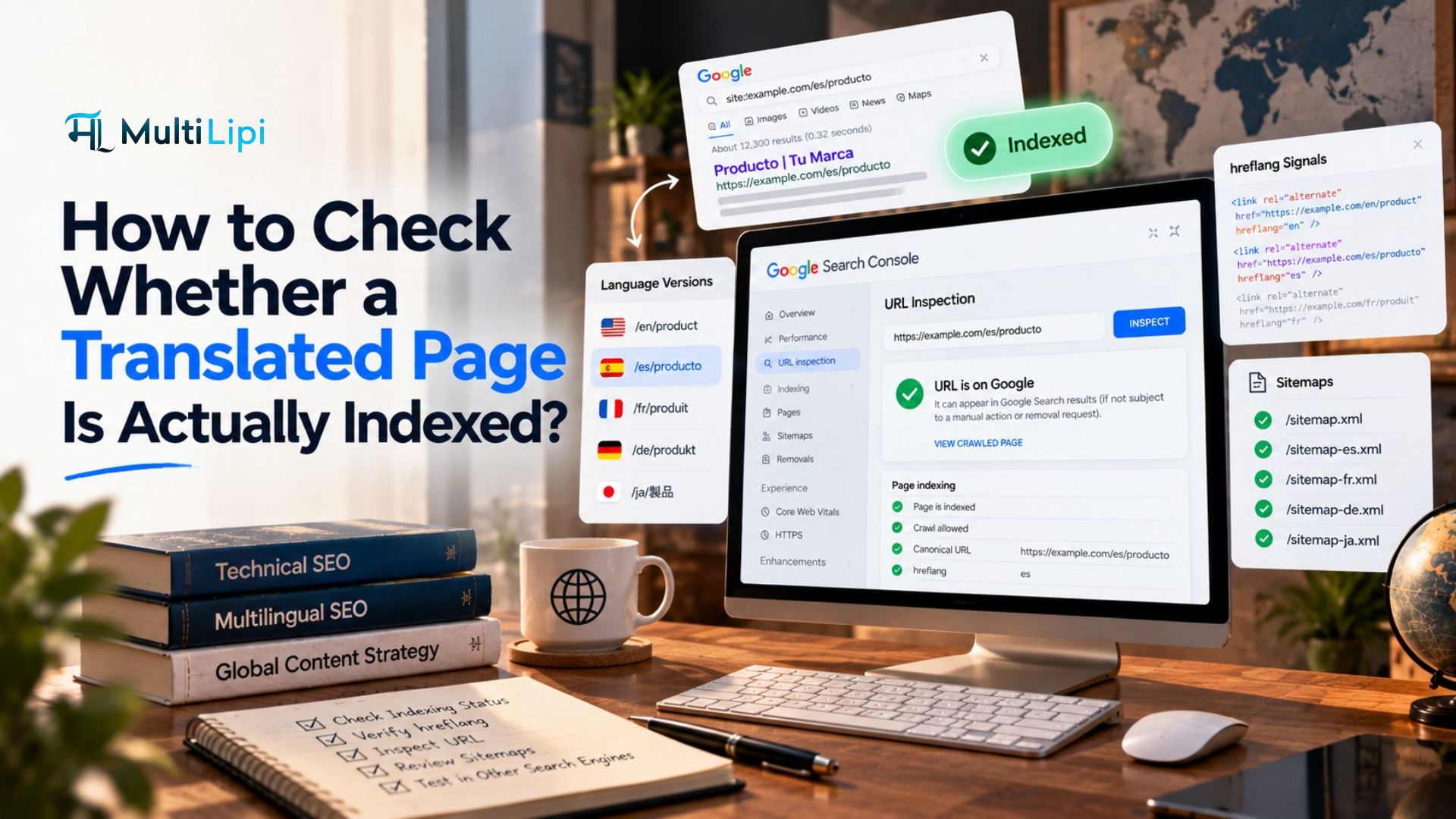
يشير AEO إلى تحسين محركات الإجابة (Answer Engine Optimization). إنها ممارسة تنظيم المحتوى الخاص بك بحيث يمكن لمنصات الذكاء الاصطناعي العثور عليه والثقة به والاستشهاد به عند الإجابة على الأسئلة القانونية بلغات وولايات قضائية متعددة.
كيف أبدأ في بناء LSAPs متعددة اللغات؟
إنشاء صفحات خاصة باللغة للأسواق الرئيسية، وضمان اتساق المصطلحات، وتضمين إشارات خاصة بالولاية القضائية يمكن لأنظمة الذكاء الاصطناعي التعرف عليها. إعطاء الأولوية للدقة على المستوى الأصلي والملاءمة الإقليمية.
ما هي المنصات المهمة للاستشهادات في إجابات الذكاء الاصطناعي؟
تشمل الجهات الرئيسية نظرة عامة على الذكاء الاصطناعي من جوجل، وتشات جي بي تي، الحيرة، Claude، و Gemini. إعداد المحتوى ليظهر كمصادر مُستشهد بها عبر اللغات.
ما هو دور المخطط في السياقات متعددة اللغات؟
يجب أن تقوم علامات المخطط بترميز اللغة والموقع الجغرافي والولاية القضائية لمساعدة محركات الذكاء الاصطناعي في ربط المحتوى بالاستعلامات القانونية الصحيحة.
كيف يمكنني قياس النجاح بخلاف التصنيفات؟
تتبع عدد مرات الاستشهاد بالمحتوى في الإجابات التي تم إنشاؤها بواسطة الذكاء الاصطناعي، ومراقبة تحويلات الاستقبال من الزيارات المشار إليها بواسطة الذكاء الاصطناعي عبر المناطق.
إشارات اللغة
أضف تعليقات توضيحية للصفحات باستخدام بيانات وصفية صريحة للغة والاختصاص القضائي لتوجيه مراجع الذكاء الاصطناعي.
حوكمة المحتوى
الحفاظ على قاعدة مصطلحات مركزية لضمان الاتساق عبر الترجمات.
ضمان الجودة
تنفيذ مراجعات ثنائية اللغة وفحوصات الولاية القضائية قبل النشر.
"تحسين المحرك التوليدي (GEO) يساعد مكاتب المحاماة على الظهور في نتائج البحث المدعومة بالذكاء الاصطناعي من خلال الجمع بين الهيكل الواضح، ووضع علامات المخطط، والخبرة التي يؤلفها المحامون لتأمين الظهور عبر منصات الذكاء الاصطناعي، واكتساب الثقة والسلطة حيث يبحث العملاء أكثر." ، محلل صناعي
خاتمة
طبقة نظام قانوني متعدد اللغات لتحسين محركات الإجابة (AEO)
نموذج تشغيل تحسين محركات البحث القانوني متعدد اللغات
محتوى قانوني يركز على الإجابة يمكن للذكاء الاصطناعي تحليله.
ضوابط المصطلحات والمراجعة والاستشهاد.
رحلات محلية من إجابة الذكاء الاصطناعي إلى الاستيعاب.
يتوقع العملاء الدوليون إجابات دقيقة وجديرة بالثقة بلغاتهم الخاصة. تحسين محركات البحث بالذكاء الاصطناعي (AEO) لمكاتب المحاماة متعددة اللغات ليس مجرد إضافة؛ بل يشكل استراتيجية المحتوى بأكملها، بدءاً من حوكمة المصطلحات وحتى الاستشهادات الخاصة والاختصاص القضائي. يحافظ نهجنا على صوت متماسك عبر الأسواق مع الإشارة بوضوح إلى اللغة والاختصاص القضائي لأنظمة الذكاء الاصطناعي.
عندما تقوم بمحاذاة المحتوى متعدد اللغات مع توقعات الذكاء الاصطناعي، فإنك تقلل الاحتكاك من الاكتشاف إلى الاستيعاب. والنتيجة هي مصداقية أقوى في إجابات الذكاء الاصطناعي المقتبسة وتحويلات أكثر سلاسة عبر اللغات والمناطق.
- محتوى منظم والمصطلحات المتسقة تظل العمود الفقري للفهم عبر اللغات.
- صفحات الهبوط اللسياسية المخصصة (LSAPs) للاختصاصات القضائية الكبرى تلتقط النية والإشارات المحلية.
- يشير المخطط والبيانات الوصفية صراحةً إلى اللغة والموقع لأنظمة الذكاء الاصطناعي لـ استجابات موثوقة.
الثقة في الإجابات المقدمة من الذكاء الاصطناعي
معدلات استشهاد أعلى من منصات الذكاء الاصطناعي
محتوى جاهز للاختصاص القضائي
دورات تعريب أسرع ومواءمة مع الامتثال
تحسين التحويلات
مزيد من تدفقات الاستقبال المصممة خصيصًا للغة
في MultiLipi، نواصل التحسين تحسين محركات البحث بالذكاء الاصطناعي متعدد اللغات للحفاظ على ملاءمة شركات المحاماة عالمياً، وتمثيلها بدقة، وتفاعل الجماهير القانونية المتنوعة معها بسهولة.
تم الإنشاء للنشر بواسطة MultiLipi: تخطيط مقال بخلفية بيضاء، جاهز للبحث بالذكاء الاصطناعي مع سياق متعدد اللغات لتحسين محركات البحث (AEO)، ووضوح الاستشهاد القانوني، وهيكل موجه نحو التحويل.